
Proof People Prefer Drugs Over Healthy Habits
A recent study shows people rely on drugs rather than healthier habits
6/16/20262 min read
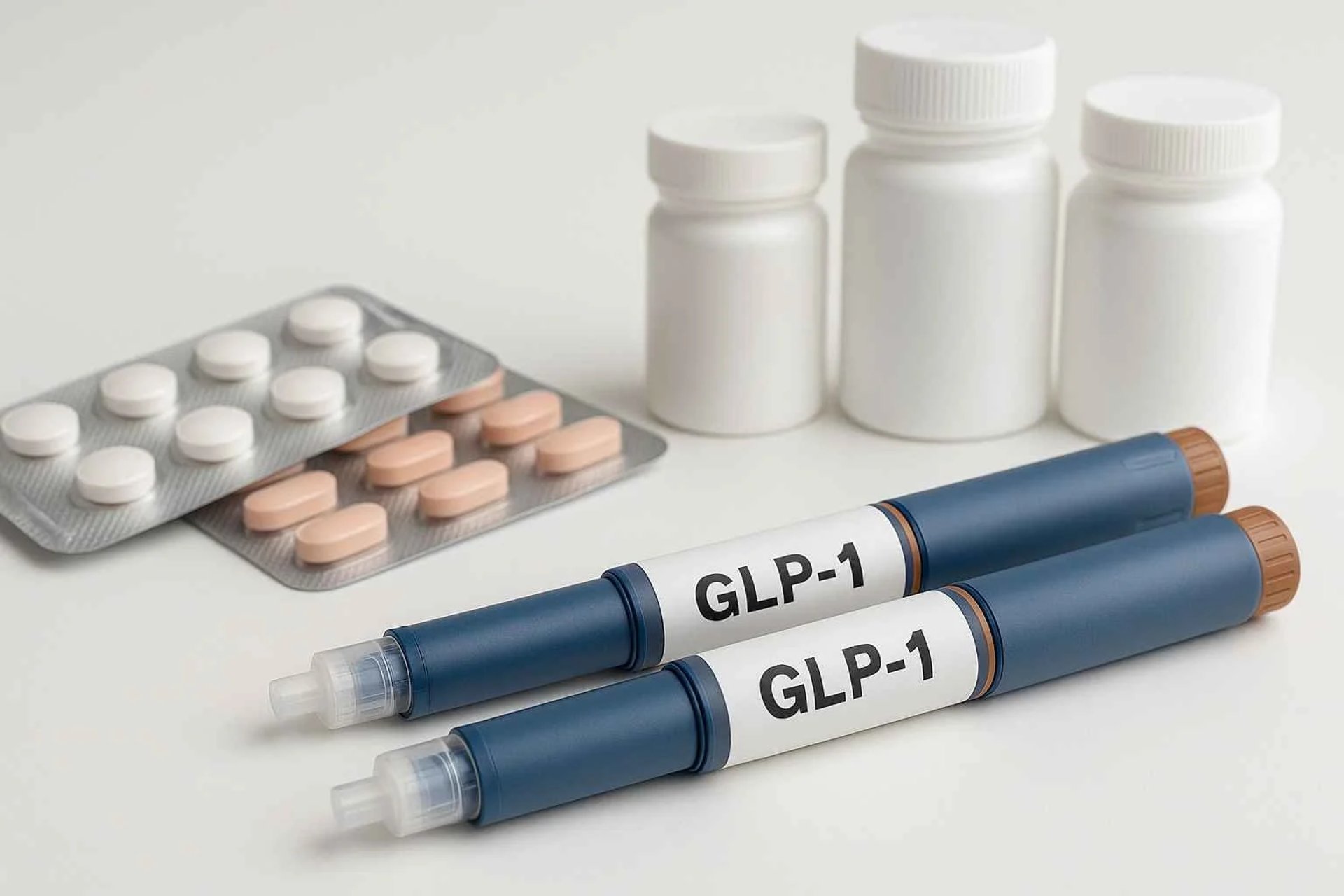
I continually express, when it comes to medical issues, people would much prefer to pop a daily pill (with whatever side effects come with it) instead of putting in the hard work of lifestyle changes. A recent National Institute of Health study now seemingly proves me correct.
The NIH’s ‘All of Us Research Program’, which links participants’ electronic health records with their Fitbit activity, shows people exercise less when using GLP-1 drugs. In addition, the study found zero evidence that losing weight while using such drugs resulted in higher physical activity. So, in other words, rather than making lifestyle changes, people preferred laziness and drugs to exercise and diet.
This is the first large study analyzing data from wearable fitness trackers among adults taking GLP-1 drugs. It should be noted, the group was predominantly female (78%) with a mean age of 52.7 years, half younger, half older. However, men shouldn’t see this as a female thing; the news was worse for them; they were less responsible.
On average, daily steps decreased 11%, and moderate-vigorous exercise minutes fell 21%, after starting a GLP-1 medication regimen. The largest declines in activity were seen by men in the study, and in people with joint or muscle pain. Interestingly, factors such as age, heart failure or prior stroke did not change the results. I can understand joint and muscle pain as a reason to exercise less, after all, who wants more expected pain? However, it’s important for everyone to work out. There are quality exercises that limit excess strain on joints.
Obviously, such results are not good. GLP-1 receptor agonists like semaglutide, liraglutide, dulaglutide and tirzepatide reduce not only fat, but also lean muscle mass. This makes physical activity essential for preserving strength and overall long-term health, according to Dr. Sajana Maharjan, of St. John's Hospital in Springfield, Ill.
“While many assume that weight loss leads naturally to increased physical activity, our study suggests otherwise. The findings in our study reinforce that exercise cannot be optional for people taking these medications. People need targeted interventions that encourage physical activity alongside medication for obesity,” Maharjan said. I wish she would have included “along with proper diet” in her statement, but if she did, but the article didn’t mention it.
Endocrinologists are at the core of solving pressing health problems, which include diabetes, obesity, infertility, bone health, and hormone-related cancers. The Endocrine Society is the largest global organization of scientists devoted to hormone research, as well as physicians who care for people with hormone-related conditions.
This study makes it easy to argue that most overweight people willingly choose to continue bad habits. They fail to get the recommended amount of exercise. Admittedly, better habits take assertive effort and consumes extra time. Popping a pill only takes a few seconds. While I am certainly not a fitness guru, and being somewhat overweight myself, should my presently good health change, drugs will not be my first choice. Better diet and more exercise will be. For certain things, the hard way is the best way, even if not preferred.
Source used: endocrine.org