
Is Utah GOP Trying to Stack its Supreme Court?
GOP members want to add two additional judges... who get appointed.
1/23/20262 min read
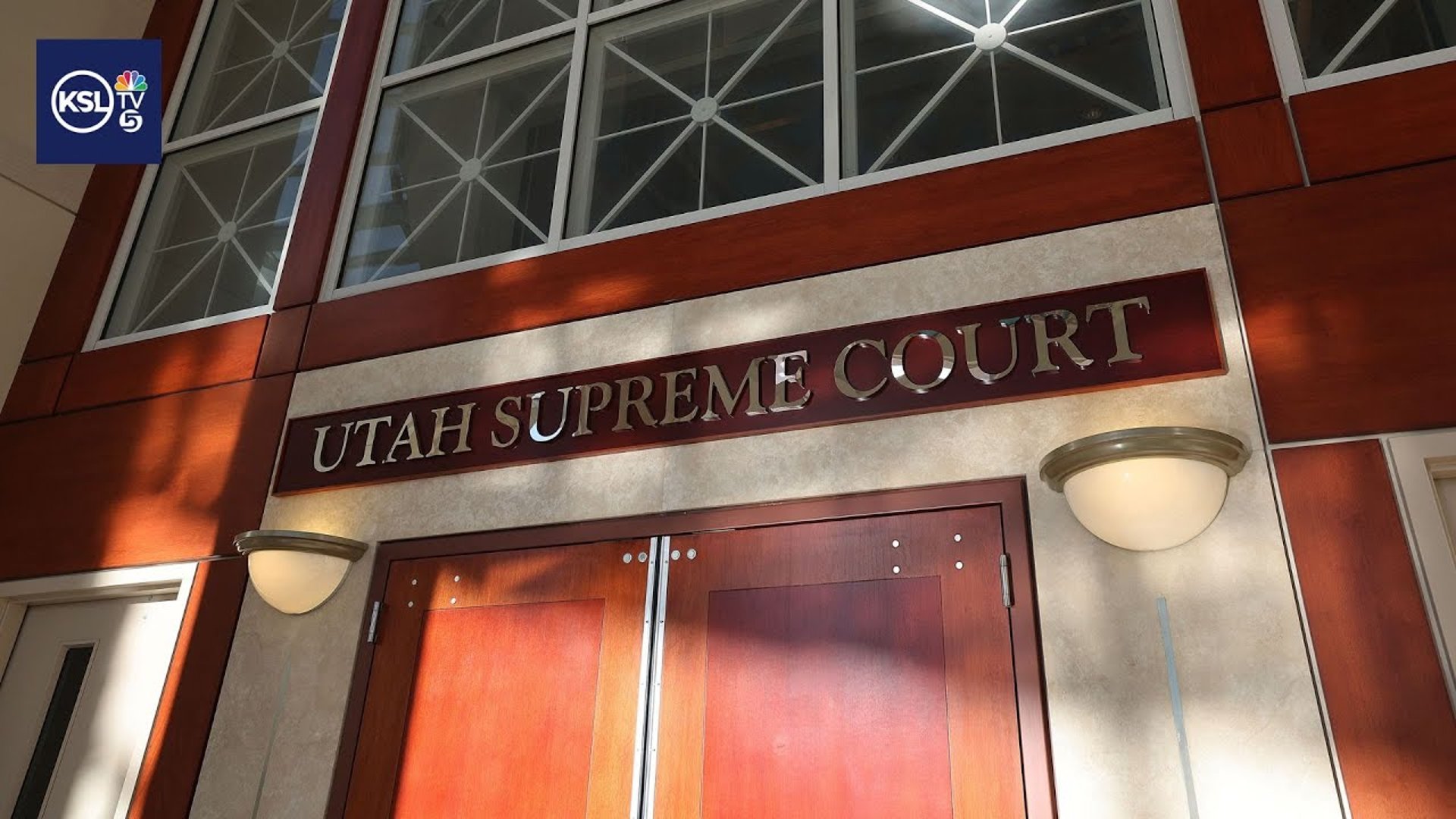
Republican legislative leaders in Utah, as well as its Gov., Spencer Cox, have said they support a proposal to expand the five-judge Supreme Court panel to seven, arguing it would help speed up decision-making. However, the state’s chief justice warned lawmakers against meddling with the judiciary.
Legal experts said the move could actually have the opposite effect, as judges would be required to listen to more opinions which could lead to longer debates among themselves. They also claim it could and set a bad precedent at a time when the country is so divided. The Utah courts have recently dealt lawmakers a string of defeats on abortion restrictions, transgender athletes and the Legislature’s ability to change or repeal voter-approved initiatives. The addition of more judges could also be viewed as stacking the Court – something numerous politicians have nefariously suggested doing in the past.
For the record, most states have a five or seven-judge Supreme Court, but a few have nine. Cox has said the additions would put Utah in line with other states of its size. Personally, I’d rather see seven. Power in the hands of five seems like too few. Yes, they are only suppose to interpret the law… but let’s be honest. It’s difficult to rule against one’s own personal beliefs.
Chief Justice, Matthew Durrant, said it’s the Legislature’s prerogative to expand the Supreme Court, but urged them to prioritize adding judges to lower courts, where the need is much greater. Another proposal in Utah would increase the number of judges for the district courts, juvenile courts and the Court of Appeals. If Utah is like most states, there’s probably a long backlog of cases where adding lower court judges would make perfect sense.
Here may be the main reason for the legislator’s aims: The Legislature is planning to appeal a redistricting ruling that gave Democrats a reasonable shot at picking up one of Utah’s four Republican-held congressional seats in the midterms this fall. One can’t help but to think this proposal has Trump’s fingerprints all over it. Rampant mid-decade redistricting in states, regardless of the party in control, is not in the spirit of constitutionality when it comes to decade-based census gathering. Durrant also added that Utah’s Supreme Court respects the legislature’s integrity, and expects the same in return, by not challenging court opinions and legal outcomes.
In Utah, justices are appointed by the governor and approved by the state Senate. In many other states, justices are elected, often times with political parties listed on the ballot. Personally, I am not a fan of electing judges. Those who have final say in legal matters should not be put there because they won a popularity contest. Meritocracy should put them in their judicial robes. Sadly, appointments also don’t guarantee such. However, I think it’s better than a judicial version of Miss America with candidates spouting off memorized world peace diatribe.
Source used: Associated Press