
Green Energy and Loss of Farmland
Green Energy brings loss of farmland. Will it cost everyone?
4/14/20262 min read
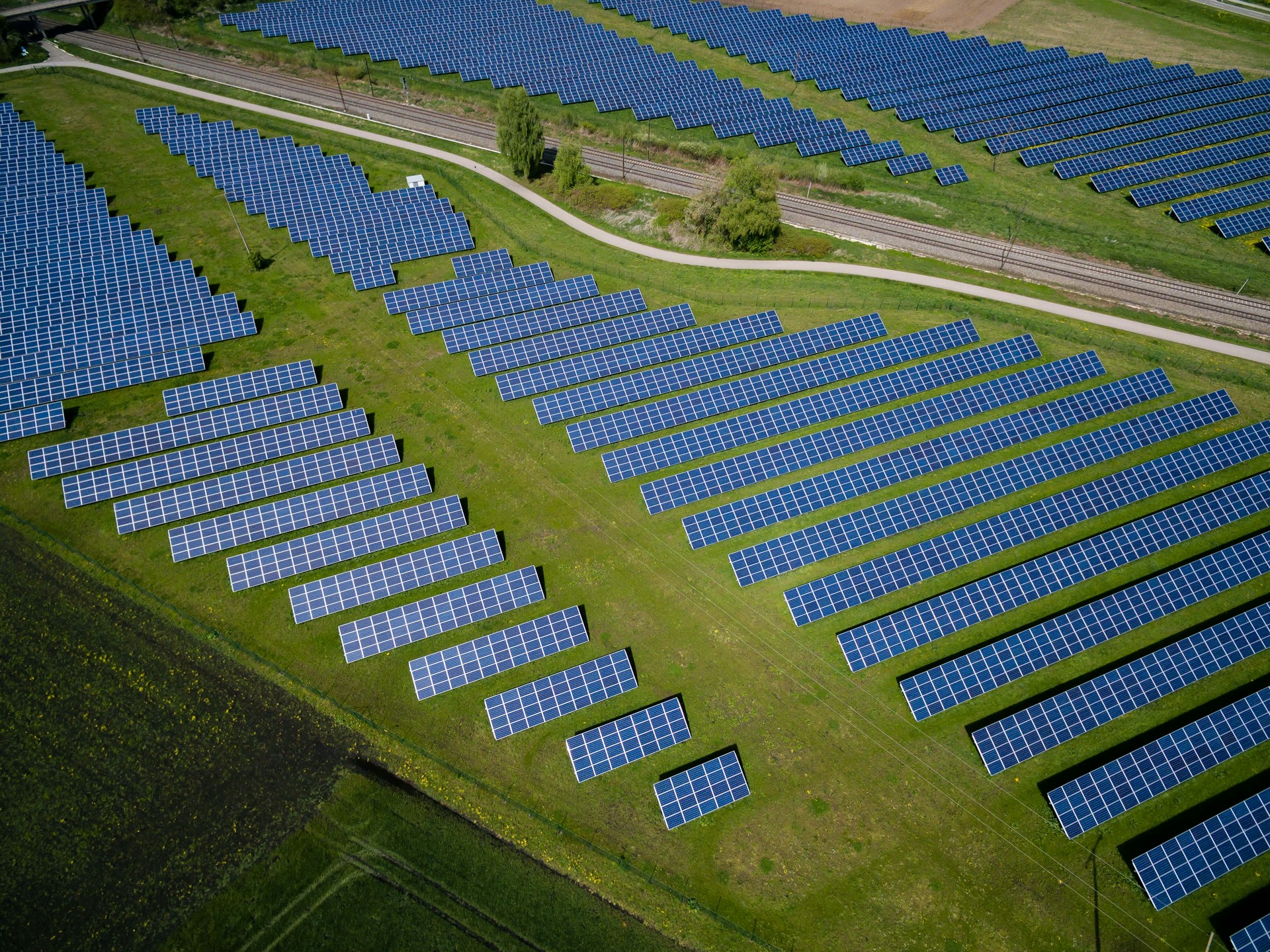
Wayne Greier, an Ohio farmer, ponders over another uncertain season of spring planting. Expenses are up from fertilizer to diesel. He would be worrying less if the solar farm he wanted on his land had come to pass. Local officials blocked it three years ago under a state law that allows counties to block construction of wind and solar farms on land they deem “restricted.” – which brings up the topics of property rights and loss of farmland.
I’m a strong supporter of property rights, but I’m also concerned about loss of farmland. Food doesn’t grow at the grocery store; it’s grown on farms. America’s farmland acreage continues to shrink. We’re becoming more dependent on Brazil, not ourselves.
In Greir’s case, he was facing heavy medical debt. A solar deal would have netted him about $540k in lease payments every year. When the deal was killed, he had to sell part of his land to stay afloat. “It was our saving grace,” he said. “It wasn’t a scary picture that everybody likes to paint about solar and the loss of farmland.”
Or was it? A bucket is drained one drop at a time. Every acre of farmland lost to solar projects is one less acre producing food for people and feed for livestock, or even cotton for clothes. It’s easy to overlook that fact when facing one’s own financial dilemma.
On the other hand, every acre of use which is dictated by those who do not own the land, is one less acre in controlling one’s own destiny. Property rights supporters are correct in wanting to reverse local restrictions, even if only for alleged tax benefits and supposed jobs. As I always say, follow the money.
Yes, money and jobs are nice, but they don’t mean a whole lot if food prices continue to skyrocket. Everyone is already upset with increasing grocery costs. That will only get worse unless technology continues to allow more food to be grown on less land – which has its own issues. Herbicides, pesticides, and other “cides” which are required for such growth in production, and preservatives to keep them “fresh”, are arguably not good for our health – something else that is in shambles.
Greier states, “I was the one that was going to lose the sixth-generation farm. I was the one that couldn’t provide for my family.” I understand his situation. It’s his land, his family, their well-being. Unless there is a direct harm to the community, one should be able to do with one’s land what they want.
Morgan, a nearby resident, has been working to rally support to drop the ban. Though not a farmer or landowner, she supports the aforementioned jobs and tax revenue these projects can bring. “I want them to be in a county that can provide jobs, can provide a good school for [our children].” In other words, she can be bought. People survived for millennia by creating their own jobs and without government schools. They didn’t survive without food security.
Living green first requires living. Then we can argue tax revenue greed.
Source used: Associated Press